England and Australia have moved into the strongest positions in the ICC Women’s T20 World Cup semi-final race, but the final group week still carries enough jeopardy to make every net run-rate swing feel loaded.
The latest ICC qualification scenarios frame the tournament at a useful breaking point. Australia and England have the advantage, but South Africa and West Indies have dragged themselves into the conversation, while India are suddenly operating with far less margin for error than their pre-tournament billing suggested.
That is why this is more than a simple table-watch. The final stretch is now a test of who can protect points, stay calm under scoreboard pressure and avoid the kind of late stumble that turns a strong campaign into a post-mortem. For readers following the full tournament rhythm, our Women’s T20 World Cup schedule guide remains the cleanest route through the remaining fixtures.
England and Australia have earned the right to control the race
The central point is simple: England and Australia are not relying on favours yet. They have placed themselves in semi-final territory by banking enough early work to make the final week about management as much as rescue.
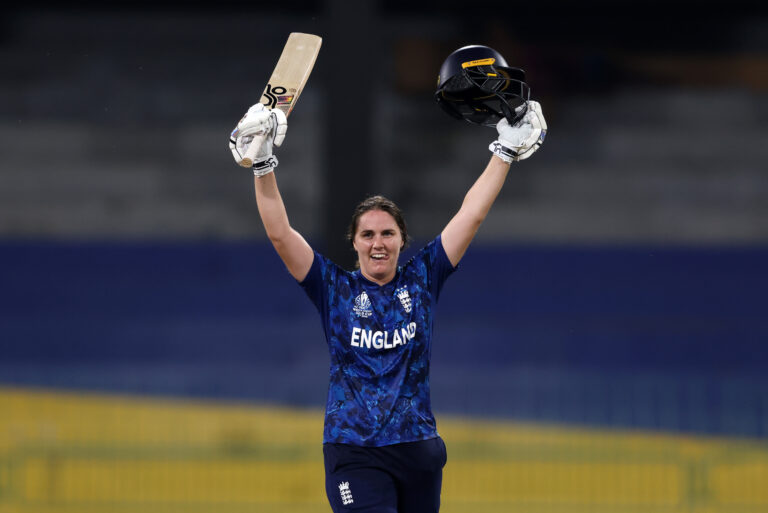
For England, that makes Nat Sciver-Brunt and the senior core especially important. This stage of a global tournament rewards sides that can separate a chase into phases, resist panic after one quiet powerplay and use experience to close out awkward games. England have not always made that look smooth in recent ICC events, but their current position gives them the priceless advantage of clarity.
Australia’s equation is similar, even if the expectation around them is heavier. Their tournament habit is to make the table look inevitable before anyone else has solved it. The challenge now is to avoid treating a strong position as a completed job. One loose fielding spell or one flat batting start can still open a door for the chasing pack.
South Africa and West Indies have changed the mood of the group
South Africa’s win over India has shifted the tone of the qualification race. It did not merely add points; it changed the way rivals will view them in the run-in. Marizanne Kapp’s influence in that match was the sort of all-round intervention that makes a side look dangerous in knockout-adjacent cricket, and we looked at the wider meaning of that performance in our analysis of Kapp’s India masterclass.
West Indies also matter because they are the kind of side that can turn a qualification race messy. Their best cricket tends to be explosive rather than linear, but that is exactly what makes them uncomfortable opposition late in a group stage. If they stay close enough on points, one high-impact batting display or one new-ball burst can alter the net run-rate picture quickly.
Race to semis: Qualification scenarios at T20WC 2026
— ICC T20 World Cup (@T20WorldCup) June 21, 2026
India’s problem is no longer theoretical
India are the most interesting pressure case because the talent argument and the table argument no longer point in the same direction. Harmanpreet Kaur’s side still have the batting depth, spin options and crowd-level pull to look like semi-final material, but tournament qualification rarely rewards reputation once the final week begins.
The defeat to South Africa sharpened that reality. India now need to convert their remaining opportunities without letting net run-rate become the enemy. That demands cleaner starts with the bat, less drift through the middle overs and sharper decision-making at the death.
The bigger lesson is that England and Australia have bought themselves control, while everyone else is trying to buy time. In a tournament that is now shifting from accumulation to consequence, that difference is enormous. The semi-final race is not finished, but the sides at the top have made the chasing group play under a harsher light.