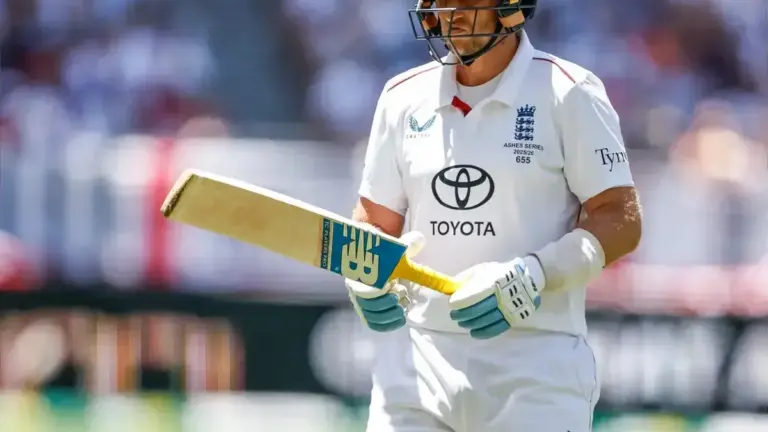
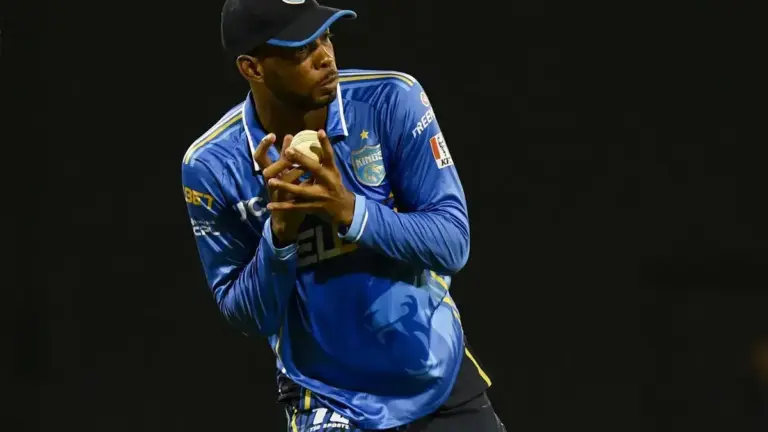
Seven England players have entered the Afghanistan Premier League draft, and human rights campaigners want them to think again before turning up in December. Ollie Pope, Moeen Ali and five other Englishmen now face pointed questions about what their involvement could mean for women and girls living under Taliban rule.
English Cricketers Urged to Consider Female Relatives Before APL Entry
Labour MP Tonia Antoniazzi has led the criticism, framing the debate in personal terms. “Why are we here again? Women and girls in Afghanistan are denied the same rights as those in our country, and the women’s team lives in exile,” she said. She pushed further, asking players to picture their own households: “Does that not concern the players, especially those with daughters, sisters or mothers?”
Amnesty International’s Felix Jakens made a similar appeal. “Since 2021, Afghan women have been banned from playing sport, and girls remain barred from education beyond the age of 11,” he said. He argued that signing up brings responsibility. “Any English player considering the APL, and the ECB weighing their NOCs, should ask what message that sends to those girls.”
Jakens added that silence is not a neutral option for players with a public platform. “And they should use their platform and influence to demand the Taliban reverse its assault on women’s rights, not stay silent while it continues.”
Bilateral Bans and Draft Registrations Reveal Deep Administrative Rift
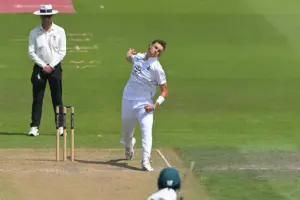
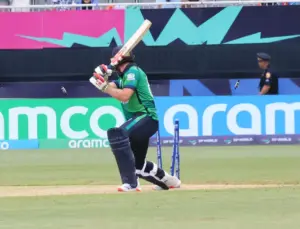
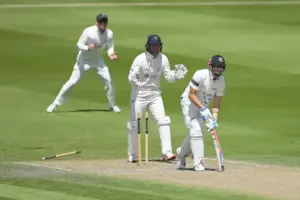
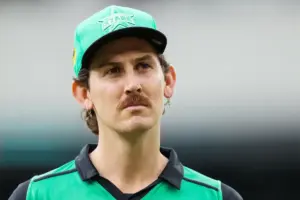
The draft list shows how normal England-Afghanistan playing links have become at franchise level, even while international fixtures stay frozen. Ollie Pope, Luke Wood, Moeen Ali, Reece Topley, James Vince, Tom Kohler-Cadmore and Laurie Evans have all registered for the October draft. Irish and Scottish players, including Jai Moondra and Brandon McMullen, have joined them.
That contrasts sharply with the ECB’s position on international cricket. The board refuses to schedule men’s bilateral matches against Afghanistan while the Taliban keeps restricting women and girls. ECB chair Richard Thompson has called that treatment “gender apartheid”, language that leaves little doubt about where the governing body stands.
The tension spilled into public view during the 2025 Champions Trophy, when England faced Afghanistan on the pitch despite the ECB’s bilateral freeze. A letter signed by 200 MPs was sent to the board calling for a boycott of that fixture. The episode exposed a gap between the ECB’s firm stance on bilateral series and its inability to stop individual players joining Afghan-run franchise events like the Afghanistan Premier League draft.
International Cricket Pressure Mounts as ICC Weighs APL Sanctioning
Whether the tournament goes ahead now rests with cricket’s global governing body. The Afghanistan Cricket Board has applied to the ICC for approval to stage the event, and that application remains under consideration, according to a BBC Sport report.
Antoniazzi wants that approval withheld. “I hope the ICC refuses to sanction this event. Continuing to allow Afghanistan full-member status makes a mockery of its own membership criteria,” she said.
The ICC’s own conduct elsewhere complicates the picture. Afghanistan’s women cricketers currently play as a refugee team, funded by the ICC alongside the boards of England, India and Australia, because they cannot train or compete inside their own country. In July, the ICC extended that funding until 2032 and committed to helping the team reach future qualification events, an arrangement that keeps women’s Afghan cricket alive only outside its own borders.
Future Implications for Franchise Cricket and Global Rights Standards
The APL is due to begin in the UAE on 27 December, sanctioning permitting. Its progress will say plenty about how franchise cricket handles human rights questions that bilateral cricket already treats as settled.
English cricket has shown before that governing bodies can draw firm lines when they choose to, a pattern worth revisiting in our earlier report on the sport’s wider political entanglements. It also echoes historic cricket controversies, where players and boards were forced to choose between sporting opportunity and principle.
For now, the players named in the Afghanistan Premier League draft have registered but not confirmed they will play. What they decide, and whether the ICC sanctions the tournament at all, will shape how franchise cricket answers to human rights concerns long after this draft closes.