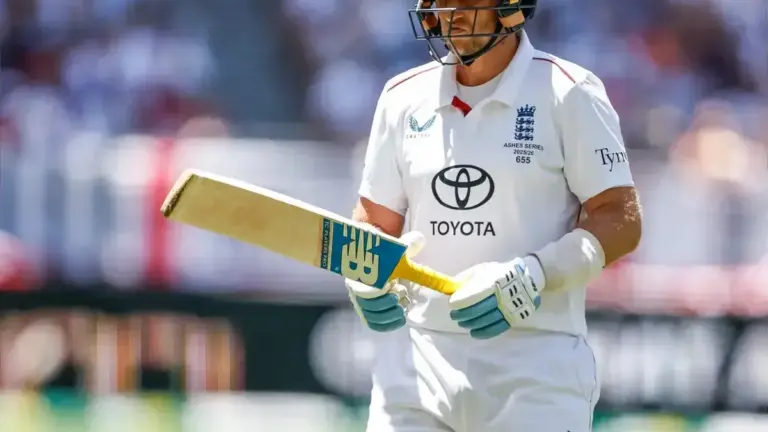
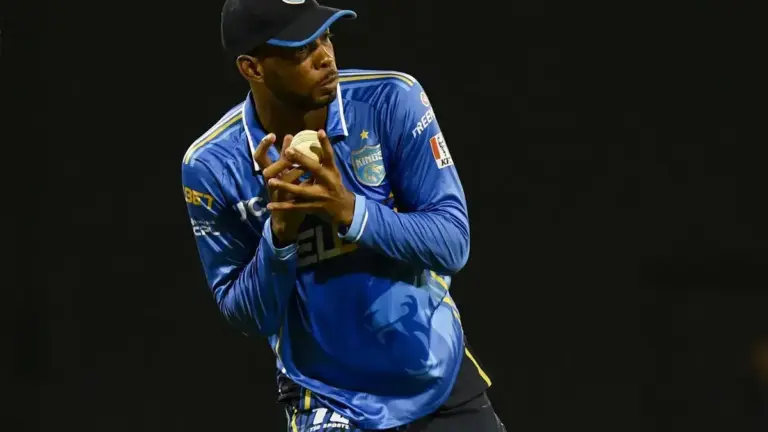
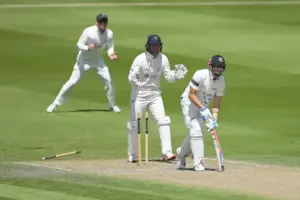
India Edge Japan in Five-Over Sano Thriller
India beat Japan by two runs in a dramatic, rain-shortened T20 international at Sano Cricket Ground. The match was cut to five overs a side and produced the tightest of finishes. It was the first time the two countries had ever met on a cricket field. The result doubled as a final rehearsal before the men’s Asian Games begins on 24 September.
Cricket returns to the Asian Games this year with full T20I status confirmed for the tournament. That raised the stakes for every warm-up fixture in the build-up. India travelled to Japan with that tournament squarely in mind. They treated the fixture as a dress rehearsal rather than a throwaway friendly.
Few predicted a finish this close against a team playing its first ever match against a major cricket nation. The result showed how quickly the gap between two sides can close over five short overs.
Shreyas Iyer led the side out at Sano. He continued the spell in charge that began with Shreyas Iyer taking charge of the national team earlier this year. He was at the centre of the match’s defining moment.
He stood his ground when an umpiring decision threatened to hand Japan an unlikely win. His composure late on helped India hold their nerve when the result was still in the balance.
The margin tells only part of the story. India’s bowlers had to defend a modest total against a Japan side that pushed the contest to the final ball. The closing over produced as much controversy as drama. A wide call went against India before it was overturned after their players intervened.
It was a tense way to sign off before the Asian Games begins. It left supporters on both sides holding their breath until the last delivery.
India’s women had already given the country reason to celebrate at these Games. They beat Sri Lanka by 147 runs in the final to claim gold in commanding fashion. The men’s side will hope this narrow, hard-fought win in Japan can be the platform for something similar once their own campaign starts on 24 September. Expectations will be high after such a dominant showing from the women’s team, and Iyer’s group know a tournament of their own now awaits.
Hara-Hinze Shines as Japan Stifle Indian Upper Order
India’s innings never quite settled into rhythm. Much of the credit belongs to Charlie Hara-Hinze. The 17-year-old spinner struck with the very first ball of his spell, removing Abhishek Sharma. It gave Japan the ideal start with the ball, in only their country’s first international fixture.
It was a remarkable moment for a player still a teenager. He delivered it on the biggest stage his cricket had yet offered him. Few debutants get the chance to open with such an eye-catching wicket, and fewer still take it in their stride the way Hara-Hinze did. He did not let the occasion faze him.
He added a second wicket later in the innings. He finished with figures of 2-17 from his allocation. Those numbers would have satisfied a far more seasoned operator on a much bigger stage.
Losing Abhishek Sharma so early disrupted India’s platform at the top of the order. In a five-over format every ball carries huge weight. A wicket in the opening over forces a side to rebuild rather than accelerate from the outset. There is simply no time to recover lost ground once early momentum has gone.
Japan’s fielders backed their young spinner with real energy. They cut off easy singles and made India work hard for every run. It was a disciplined display from a team with far less experience at international level. It set the tone for a contest that would go right down to the wire.
Ground fielding of that quality often decides matches this short. A single saved can matter as much as a wicket taken.
India still found a way to post a total worth defending. That showed the depth and composure of Iyer’s squad even when conditions did not go entirely their way. But the platform Hara-Hinze laid meant Japan always believed they had a match on their hands. So it proved when Japan came out to bat.
Axar Patel Overturns Late Wide Call to Secure Victory
Defending their total, India turned to Axar Patel. The left-arm spinner delivered when it mattered most. He finished with figures of 0-7 from his two overs, squeezing the boundaries and keeping Japan’s required rate climbing as the innings wore on. In a format with so little room for error, that kind of control from an experienced hand proved priceless.
Japan reached 30-3 at the end of their five overs, two runs short of the target. It was a genuinely competitive chase from a side playing its first ever international. The margin stayed uncomfortably tight for India right until the final ball.
In a match this short, two runs can feel like the widest of gaps. Or they can feel like the narrowest of escapes, depending on which side of the rope you stand. Japan’s batters deserve credit for taking the contest that deep against far more experienced opponents.
The closing over produced the moment supporters will remember. With the match hanging in the balance, an umpire signalled wide against Axar. India’s players protested immediately. Both Axar and Iyer made their case to the officials.
That prompted a discussion between the umpires which led to the call being overturned. It was a decision that ultimately saw India beat Japan by two runs.
The episode put the laws around wide deliveries in the spotlight. The ICC Men’s T20 International Playing Conditions define a wide delivery in specific terms.
The rule states a wide is one ICC Men’s T20 International Playing Conditions wording describes as “if the ball passes wide of where the striker is standing, and which also would have passed wide of the striker standing in a normal batting position.”
That wording exists mainly to cover moments when a batter shifts across the crease before the ball is bowled. It applies to shots like a switch-hit or a reverse sweep. In those cases, the space a bowler can legally aim at grows wider.
It is a rule designed for a different scenario altogether. Yet it was that same reasoning India’s players leaned on when they made their case to the umpires. The tension of the final over left no room for a mistaken call to stand.
Once the call went India’s way, Axar closed out the over and the match. The result stood at two runs, a margin as narrow as the contest itself. It owed plenty to a captain and a bowler unwilling to let a marginal decision cost them a historic occasion. For a fixture carrying so much significance as a first meeting between the two countries, it was a fitting, nerve-shredding way for it to finish.
India Player Ratings: Axar and Iyer Hold Firm Under Pressure
India’s total gave the bowlers something to defend. But it was the composure shown late in the field that ultimately settled a tense finish at Sano. Three performances in particular shaped the story of the match.
Axar Patel (8/10): Two overs for seven runs kept Japan’s chase honest, and he held his nerve when a wide call went against him in the final over. His protest, backed by his captain, made the difference on a dramatic afternoon at Sano.
Shreyas Iyer (7/10): Leading the side in only his early days in charge, Iyer was central to the discussion that overturned the wide call against Axar. His composure at the death set the tone for a nervy finish.
Abhishek Sharma (4/10): Dismissed by the very first ball Charlie Hara-Hinze bowled, Abhishek’s early exit disrupted India’s platform at the top of the order. It left the rest of the batting unit to rebuild inside the opening over of a five-over match.
The rest of India’s batting and bowling unit played their part in building and then defending a tight total. But it was Axar’s economy, Iyer’s leadership and Abhishek’s early dismissal that shaped the story of a match settled by the finest of margins. A two-run win in a five-over contest leaves almost no room for individual errors. India’s collective discipline in the field ultimately proved just enough to get them over the line.
Japan Player Ratings: Teenage Spinner Hara-Hinze Leads Spirited Display
Japan pushed India all the way in their first ever international fixture. One performance stood out above the rest on a memorable afternoon at Sano Cricket Ground.
Charlie Hara-Hinze (8/10): Remarkable composure from a 17-year-old playing his first international match. He struck with the first ball of his spell to dismiss Abhishek Sharma. His later wicket and figures of 2-17 set up Japan’s spirited chase against a far more experienced opponent.
Japan’s chase carried them to 30-3 from their five overs, two runs short of victory. It took a controversial final over and a battling all-round effort to get them that close. For a side with no previous international experience, falling agonisingly short against one of the world’s leading cricket nations is a result to build on heading into the Asian Games.
Hara-Hinze’s display offers real encouragement for Japan’s development as a cricketing nation, with the Asian Games starting on 24 September. A teenager taking two wickets and dismissing a recognised international batter with his very first delivery is the kind of performance that can shape a young career. It will not have gone unnoticed by those planning Japan’s route forward in the sport. The fielding effort behind him suggested a team capable of causing further upsets once the Asian Games get under way.
This Cricket breaking news feature has been enhanced and enriched with confirmed live data with the support of generative AI and our data partners SportMonks.com. This helps us bring data-led news and information to you and other Cricket fans more efficiently and accurately, ensuring https://readcricket.com is Cricket fans’ number 1 choice for independently published news. For more information you can view our editorial policy in our footer or email the team on [email protected].