Mark Wood Calls Time on England Career as Emotional Toll Takes Hold
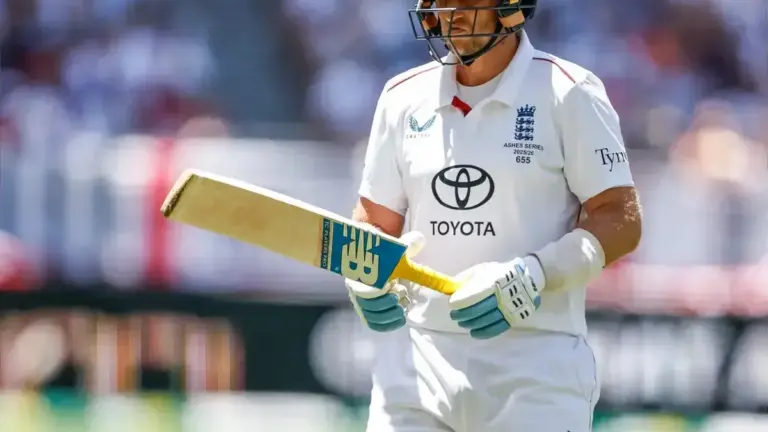
Mark Wood retires from international cricket, bringing an end to a career defined by raw pace and relentless commitment to the England shirt. The news lands hard for supporters who watched him fight back from setback after setback, always returning with the same fierce energy. This time, there is no comeback planned.
Wood’s decision was not sudden. It reads like the final chapter of a year that gradually wore him down, both physically and mentally. Fans who followed his recent recovery efforts will recognise the strain long before he put it into words.
For a bowler who built his reputation on serious pace, the retirement marks a significant moment for English cricket. It also raises fresh questions about how the sport manages the bodies and minds of its fastest operators.
The Reality Behind the Decision and the Fast Bowler’s Honest Verdict
Wood chose honesty over sentiment when explaining his decision, in comments given during a wide-ranging Mark Wood interview on BBC.
“the England dream has slowly been ground out of me over the last year,” Wood said.
Those words carry weight precisely because they avoid drama. There is no mention of a single injury or a single match. Instead, Wood describes something more gradual, a slow erosion of the desire that once defined his cricket.
That framing matters. It shifts the conversation away from a simple injury story and towards the accumulated cost of years spent bowling at the sharp end of the game. Supporters used to seeing Wood return from setbacks will understand why this exit feels different.
Wood’s own statement stands as the clearest account of his thinking. Nothing beyond his words should be read into the timing or the manner of his departure.
Dissecting the Physical and Mental Demands of Elite Fast Bowling
Fast bowling remains one of the most physically brutal disciplines in professional sport. Every delivery loads enormous force through the ankles, knees, back and shoulders, repeated thousands of times across a season. Bowlers who operate at the top end of pace place even greater strain on their bodies with every spell.
The recovery demands are just as heavy as the workload itself. Ice baths, rehabilitation sessions and carefully managed bowling loads become part of daily life, often stretching well beyond the hours spent on the pitch. For a bowler renowned for extreme pace, that management becomes a constant, unglamorous job.
The mental side is less visible but just as taxing. Years of managing setbacks, proving fitness and living under scrutiny can quietly erode motivation, even in players who show no outward sign of struggle. Wood’s own words point to exactly that kind of slow, cumulative pressure.
Taken together, these demands help explain why Mark Wood retires now rather than fighting on through another injury cycle. Supporters can find further context on the wider challenges facing English quicks in our coverage of red-ball cricket developments elsewhere.
England’s Pace Reshuffle and What Wood’s Exit Means Moving Forward
Wood’s retirement leaves England needing to rethink their fast-bowling plans across a packed international calendar. His pace and wicket-taking threat were rarely easy to replace, and management will now weigh up who fills that specific role.
The wider cricket world keeps moving alongside this news. Chennai Super Kings have appointed former India bowler Zaheer Khan as head coach on a one-year deal, taking over from Stephen Fleming, who has joined England’s Test team. Elsewhere, sisters Cat and Honor Black have launched their own cricket kit brand. It is built exclusively for women and girls, a sign of how the sport keeps growing beyond the men’s international game. Readers can follow more of these stories through our domestic cricket updates.
For England, the immediate task is practical: finding bowlers who can offer similar pace without repeating the workload that eventually caught up with Wood. For Wood himself, the honesty of his farewell may prove just as significant as the wickets he leaves behind, a straightforward account of a dream that simply ran its course.