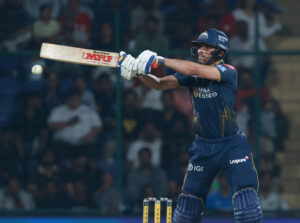
Babar Azam’s return as Pakistan Test captain is not a nostalgic reset. It is a high-risk World Test Championship intervention before two away series that will define whether Pakistan’s red-ball rebuild has any immediate grip.
The ICC reported on July 5 that Babar has replaced Shan Masood as captain for Pakistan’s upcoming assignments against West Indies and England. The move comes with Pakistan sitting ninth in the World Test Championship table and facing five Tests in seven weeks.
That schedule is sharp: two Tests in the Caribbean from July 25, followed by three in England from August 19. For a side still carrying the weight of recent red-ball instability, the leadership call lands less like a clean restart and more like a pressure transfer.
The timing also changes the scrutiny on selection. Pakistan have named a touring group that leans on senior bowlers but still asks new names to absorb Test cricket quickly. Babar’s first job is not simply to set fields; it is to make a transitional squad feel less improvised than the table suggests.
Masood Stays, But The Command Has Moved
Pakistan have not cut Masood from the group. He remains in both squads, which matters. It leaves Babar taking control of a dressing room that still contains the captain he has displaced, alongside Mohammad Rizwan, Salman Ali Agha, Mohammad Abbas, Sajid Khan and Aamir Jamal.
That is a delicate selection room. Masood’s batting still has value, but the optics are unavoidable: Pakistan have decided the WTC cycle cannot wait for gradual repair under his captaincy.
Pakistan announce a new skipper.
Babar back as captain as Pakistan name upcoming Test squads | ICC World Test Championship
— ICC (@ICC) July 5, 2026
The selection also carries four uncapped options. Left-arm spinner Ali Usman, batter Muhammad Awais Zafar, fast bowler Ubaid Shah and wicketkeeper-batter Muhammad Ghazi Ghori have all been included, giving Babar a squad that mixes experience with a clear search for new Test depth.
Why The England Leg Changes The Stakes
The West Indies series is the immediate test, starting at the Brian Lara Cricket Academy in Tarouba before moving to Queen’s Park Oval. England, though, is the harder read. Leeds, Lord’s and Birmingham will ask different questions of Pakistan’s seam depth, top-order judgement and Babar’s own tactical patience.
There is a direct ReadCricket thread here. Pakistan’s recent Test issues were already visible in the Bangladesh defeat fallout, while Babar’s wider value to Pakistan has been examined through his ODI record and World Cup role. This appointment drags those two arguments together: form, authority and long-term planning can no longer be separated.
Saud Shakeel’s England inclusion remains subject to fitness, adding another variable before the toughest leg of the tour. If he is cleared, Pakistan gain a stabiliser. If not, Babar’s second Test captaincy spell begins with a thinner middle order than he would want.
The decision is bold because it is measurable almost immediately. Pakistan do not need Babar to look restored at the toss. They need him to make a side that has drifted in the WTC table look coherent by the time the ball moves in Leeds.